
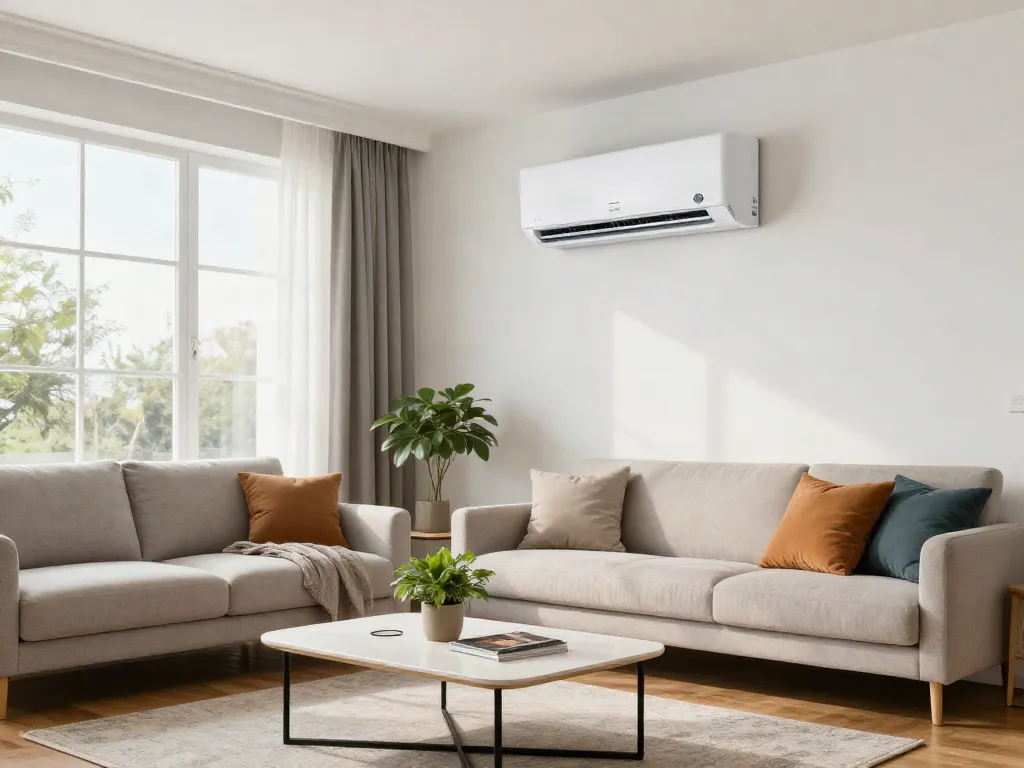
Understanding Mini Split AC Systems
As the demand for efficient home climate control continues to rise, many homeowners are turning to mini split ac systems for their flexibility and energy efficiency. Unlike traditional air conditioning units, mini split systems provide a ductless solution that can effectively cool or heat individual rooms or zones in your home. With various configurations available, understanding how these systems work and their benefits can help you make an informed decision about your home climate control needs.
What is a Mini Split AC?
A mini split AC, also known as a ductless mini-split air conditioner, is a compact system used to cool and heat spaces without the need for ductwork. Comprised of an outdoor compressor and one or more indoor air-handling units, mini splits operate on the principle of heat transfer. They use refrigerants to absorb heat indoors and discharge it outside, or vice versa, depending on the desired temperature. This flexibility makes mini splits ideal for homes lacking ductwork or for areas that need additional climate control.
Benefits of Mini Split AC for Home Climate Control
- Energy Efficiency: Mini split systems are designed to consume significantly less energy compared to traditional HVAC systems. They provide cooling or heating as needed without the energy losses associated with ductwork.
- Zone Control: Each indoor unit can be controlled individually, allowing you to set different temperatures for different rooms or zones, enhancing comfort.
- Space-Saving Design: The compact size of mini split systems allows for installation in tight or unconventional spaces, providing greater flexibility in design.
- Quiet Operation: Mini splits operate quietly, making them suitable for bedrooms, offices, and living rooms where noise reduction is essential.
- Improved Indoor Air Quality: Filters in mini split systems help to reduce allergens and dust, improving the overall air quality in your home.
Key Components of Mini Split Systems
Understanding the main components of mini split AC systems is crucial for both installation and maintenance. The two main parts include:
- Outdoor Unit: This contains the compressor, condenser coil, and a fan that expels heat absorbed from the indoor air.
- Indoor Unit: An air handler that includes the evaporator coil and a fan, which distributes the conditioned air throughout the space.
Additional components may include a remote control, wireless connectivity options, and various types of indoor units such as wall-mounted, ceiling-mounted, or floor-mounted systems.
Choosing the Right Mini Split AC for Your Home
When selecting the ideal mini split AC, there are several critical factors to consider to ensure you choose a system that is appropriately sized and suited to your specific needs.
Factors to Consider: Size and BTU Rating
The size of the mini split AC is determined by its British Thermal Unit (BTU) rating, which measures its cooling or heating capacity. It's essential to calculate the BTUs required for the space you intend to cool. A unit too small for the area will struggle to maintain the desired temperature, while an oversized unit can lead to inefficiencies and increased energy costs.
Comparing Ducted vs. Ductless Systems
Ducted systems require extensive installation, involving ductwork throughout the space, which can increase both installation time and costs. In contrast, ductless systems are easier to install and often more affordable, especially for retrofitting existing homes. They provide flexibility in design, allowing for individual room control without the need for ductwork.
Energy Efficiency Ratings Explained
When shopping for a mini split AC, look for units with high Seasonal Energy Efficiency Ratio (SEER) ratings. A higher SEER indicates better energy efficiency, which translates to lower electricity bills and a reduced carbon footprint.
Installation and Maintenance of Mini Split AC Systems
The proper installation and maintenance of your mini split AC are crucial for ensuring long-lasting performance and efficiency.
Professional vs. DIY Installation: What to Consider
While some homeowners may consider a DIY installation to save on costs, hiring a professional can ensure the system is installed correctly, which is critical for performance and longevity. Professionals have the expertise to deal with refrigerants and electrical components safely, reducing the risk of potential problems down the line.
Routine Maintenance Tips for Longevity
- Regular Filter Cleaning: Clean or replace the air filters monthly to maintain airflow and efficiency.
- Professional Inspections: Schedule annual professional maintenance checks to identify potential issues and keep the system running smoothly.
- Clean the Outdoor Unit: Remove debris and dirt from the outdoor unit to ensure optimal airflow and performance.
Common Issues and Troubleshooting Techniques
Some common issues with mini split AC systems include poor cooling performance, unusual noises, and refrigerant leaks. Regular maintenance can help mitigate these problems, but it’s essential to troubleshoot any issues promptly. If the system doesn’t cool effectively, check the filters, verify the thermostat settings, and inspect the unit for any visible damage.
Minimizing Costs with Mini Split AC
Investing in a mini split AC system can lead to significant long-term savings if approached strategically.
Understanding Initial Investment vs. Long-Term Savings
While the upfront cost of a mini split system may be higher than traditional units, the energy savings achieved through efficient operation can offset these costs over time. Additionally, consider potential financing options or promotions offered by manufacturers or local utilities to ease the initial investment burden.
Tax Credits and Energy Rebates Available in 2026
Keep abreast of local, state, and federal incentives for energy-efficient systems. Tax credits and rebates can significantly lower the net cost of your mini split AC, making your investment even more worthwhile.
How to Optimize Your Mini Split for Energy Efficiency
For maximum efficiency, ensure that the mini split AC is correctly sized for your space, regularly maintained, and operated at optimal settings. Use programmable thermostats or smart controls to manage usage according to your schedule effectively.
Future Trends in Mini Split AC Technology
As technology evolves, you can expect several innovative trends in mini split AC systems that enhance comfort and efficiency.
Smart Features and IoT Integration in 2026
The integration of smart technology into mini split systems is becoming increasingly common. Features such as remote control via smartphones, programmable settings, and energy monitoring can provide homeowners with greater control and efficiency.
Innovations in Energy Efficiency Standards
As environmental awareness grows, mini split manufacturers are focused on achieving higher energy efficiency standards. Expect to see systems that utilize advanced refrigerants and technologies to further reduce energy consumption.
Environmental Impact Considerations for Homeowners
Homeowners are increasingly aware of the environmental implications of their energy choices. Mini split AC systems provide an eco-friendly alternative, reducing energy waste and carbon emissions compared to traditional systems.
What Makes Mini Split AC Stand Out?
The combination of energy efficiency, customizable temperature control, and ease of installation makes mini split AC systems a compelling choice for both new and existing homes. Their versatility and effectiveness are unmatched, particularly in multi-zone setups.
Which Mini Split AC is Best for Small Spaces?
When evaluating mini split AC units for small spaces, consider models with lower BTU ratings that can effectively cool without overworking. Look for compact indoor units that fit well in tight areas while still providing efficient cooling.
How Does a Mini Split AC Compare to Central Air?
Compared to central air systems, mini splits offer more flexibility, lower energy costs, and easier installation, especially in homes without existing ductwork. Additionally, because they allow for zonal control, they can enhance overall comfort without wasteful cooling.
Are Mini Split AC Systems Noisy?
Mini split systems are designed to operate quietly. The noise level of indoor units is typically much lower than that of traditional window units or central air systems, making them ideal for living spaces and bedrooms.
What Maintenance is Required for Mini Split AC?
Maintenance involves regular filter cleaning, outdoor unit inspections, and periodic professional servicing to ensure optimal performance and longevity. Keeping these systems well-maintained can help avoid costly repairs and ensure consistent comfort.
How Long Do Mini Split AC Systems Last?
With proper maintenance, mini split systems can last between 15 to 20 years. Regular servicing and prompt attention to any issues can help maximize the lifespan of your system.